
MOST READ
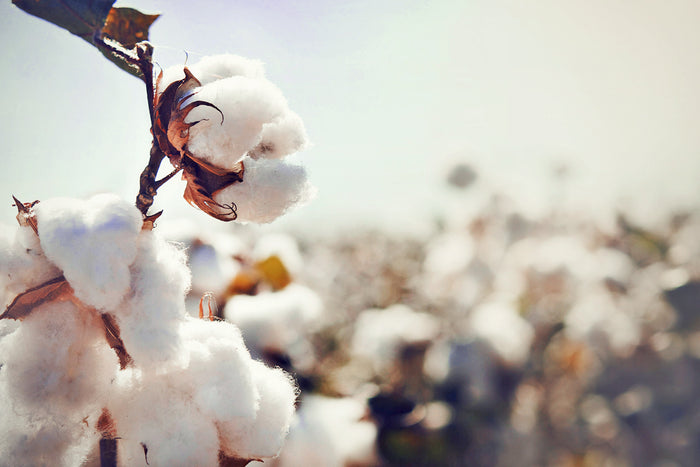
What are the distinguishing features of organic cotton and what should you consider when buying it? Our loungewear is produced sustainably and to a high standard.

Some people imagine cotton growing on trees or that it's wool from sheep. In fact, it's a shrub belonging to the mallow family. It's primarily grown in India, China, and the USA, but also in Brazil and Pakistan. Europe imports a large portion of its cotton from Turkey. Demand continues to rise.
Impacts of cotton production
Millions of people in developing countries are highly economically dependent on the cotton industry. Unfortunately, the procurement and processing of this "white gold" is fraught with numerous negative aspects, such as environmental pollution and exploitation. Even today, the arduous work on the plantations is often carried out by children. Natural disasters further threaten the livelihoods of small-scale farmers.
However, we can influence and achieve improvements. That makes it all the more important to examine the topic more closely.
Difference between organic cotton and conventional cotton
1. No pesticides or genetic engineering
No synthetic chemicals are used in the production of organic cotton. The use of natural fertilizers such as compost and manure, as well as beneficial insects for pest control, protects the growing areas. The crops can be grown on the same land for years in a row (monoculture).Furthermore, unlike conventional cotton cultivation, genetically modified seeds are not permitted. Currently, however, genetically modified varieties are grown on approximately 80 percent of the world's cotton acreage. In many countries, the limited availability of organic seeds is a barrier to increasing organic farming. This would save farmers enormous costs, as natural cotton plants produce seeds from which new plants grow.
More organic cotton farming would reduce the risks of pests eventually becoming resistant to pesticides or of new pests spreading uncontrollably. The extent to which toxic insecticides are now sprayed is alarming.
2. Conservation of water resources
By foregoing chemical fertilizers and pesticides, water pollution is reduced by approximately 98 percent compared to conventional cotton cultivation. No toxic chemicals end up in the groundwater, which often endangers the drinking water supply in the developing and emerging countries where cotton is grown.
On average, 11,000 liters of water are used to produce 1 kg of conventional cotton; in India, this figure rises to 23,000 liters. Because cotton grows in arid regions, a large amount of water must be supplied, for example, from surface water or groundwater. This exacerbates water scarcity in these areas. 
Organic cotton production uses 40 percent less water, specifically only 6,600 liters per kilogram. The thicker layer of humus retains moisture better, reducing the need for irrigation. Significant water savings are also achieved because no genetically modified plants are used.
According to a 2015 study by the Soil Association, water consumption for organic cotton was even 91 percent lower. However, it must be taken into account that organic cotton cultivation is less efficient per hectare. The fact remains that growing organic cotton significantly conserves resources in many ways.
3. Savings in CO2 emissions
Less energy-intensive farming methods and the avoidance of synthetic fertilizers and pesticides reduce greenhouse gas emissions by 46 percent compared to conventional cotton farming. If the country of origin is in Europe, shorter transport routes result in additional CO2 savings.
The textile industry is one of the biggest polluters, accounting for around 10 percent of global CO2 emissions. Three trillion garments are produced worldwide each year. According to the WWF, about half of these are made of cotton.
These figures clearly demonstrate the importance of moving towards environmentally friendly and sustainably produced fashion. This would have a positive impact on global climate change.
4. Consumer trend towards more organic cotton
We are seeing more and more offers for clothing and linens made from organic cotton. However, the global cultivation area for organic cotton currently accounts for only about one percent. For the fashion industry to shift its production more towards sustainability, it is crucial that consumers consciously choose organic textiles when making purchasing decisions.
One way to improve your ecological footprint is to support brands that invest in a sustainable future. Since politics doesn't have much influence in this area, it's the responsibility of each and every one of us. We're also doing ourselves a favor, for both mind and body. However, there are a few things you should keep in mind when making a purchase.
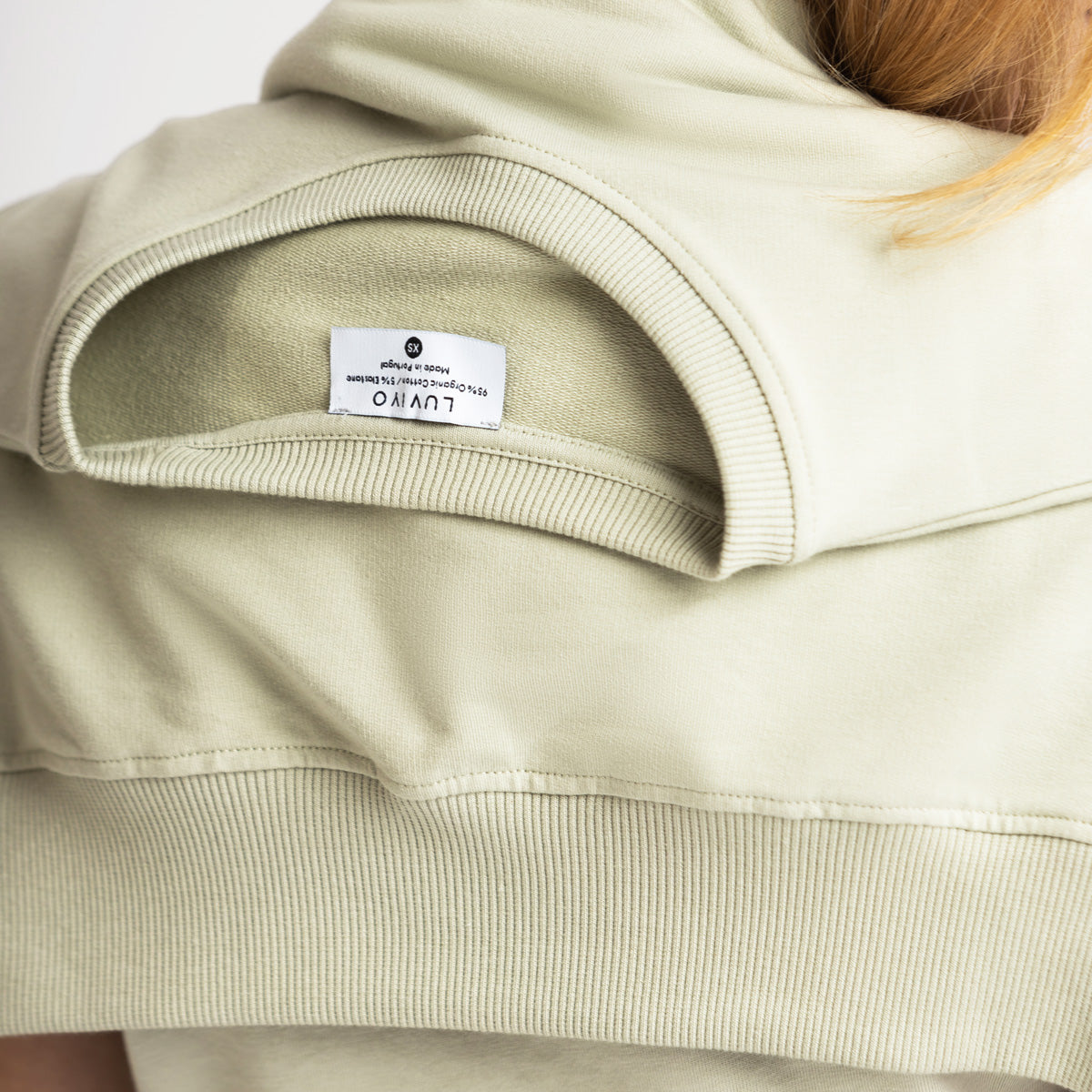
Organic is not all the same.
You can recognize organic cotton by its certified labels. But be careful, the word "organic" is not legally protected and different things are guaranteed.
Recognized institutions include the Organic Content Standards (OCS) and the Global Organic Textile Standard (GOTS). With this label, you can be sure that it is truly sustainable organic cotton.
If you also want to advocate for living wages for people in the producing countries, you should also look for the "Fairtrade Foundation" seal.
Long usage period and recyclability
Once natural material is mixed with synthetic material, it can be difficult or even impossible to separate them.
If you choose organic cotton when buying clothes, you can pass them on or dispose of them without hesitation. The material is durable and biodegradable. It can be easily recycled. By doing so, you're making a significant contribution to saving water and energy.
Even better than recycling is wearing the garment for as long as possible. Recycling also consumes energy. Perhaps a friend would appreciate your lovely yoga shirt, which you might want to exchange for a new one even though it's still in good condition. High-quality clothing has a longer lifespan and can also be resold successfully.
Gentle, sustainable production of our loungewear
We want to contribute to improving the environmental and social balance while offering high-quality, environmentally friendly produced fashion.

Our loungewear is produced in Portugal within a 40-kilometer radius, free from pesticides and insecticides. The organic cotton is knitted, dyed, and sewn into finished garments directly in Portugal.
Healthy for people and the environment
By avoiding harmful chemicals, we protect both the environment and your skin. A great reason, not just for allergy sufferers, to find new favorite pieces from our collection.
We care deeply about treating nature fairly, just as we care about treating our employees, who largely handcraft our loungewear. Each employee personally signs every piece so you can see who made your garment.
Highest quality standards
Our organic cotton loungewear is GOTS, OCS, and OEKO-TEX certified. The lightweight, soft, and breathable fabric provides the perfect comfort for a relaxed everyday life. It's also ideal for meditation, self-care time, or a stroll outdoors. The pieces in our new collection offer a sporty look with an elegant touch. They are not only incredibly comfortable but also durable and long-lasting.

design
You'll definitely love the natural colors: Desert Sage, Fig, Ivory, and Misty Lilac are available. The pieces can be easily combined.
Introducing our new loungewear collection
Commitment to elephants in need
We donate at least 10 percent of our profits to organizations dedicated to protecting elephants from illegal hunting and cruelty. Your purchase helps save endangered elephants.

Deine Reise geht weiter...
WEITER LESEN
ALLE LESEN Yoga
Yoga
Breathwork: How just a few minutes of conscious breathing a day can change your life
The hype surrounding breathwork Breathing exercises (or 'breathwork') are all the rage. Working with your own breath is so simple, yet it's one of the most effective tools for combating stress. When you talk to wellness experts about relaxation, you inevitably come across breathwork. For example, breathwork teacher and freediver...
Read Now
 Road
Road
Franzisca's path to resilience through cold water therapy and breathing exercises
Introduction In our latest episode of Road to Calm, we had the honor of interviewing Franzisca Gartenmann, co-founder of Keen Wellbeing. She shares her personal journey through burnout and trauma to a fulfilling life as an entrepreneur. 🌟 Franzisca talks about the benefits of cold water therapy, sauna, and breathing...
Read Now
 Road
Road
A journey through Katonah Yoga and personal growth
A journey through Katonah Yoga and personal growth In today's episode of the "Road to Calm Podcast," we speak with Aylin Karadayi, an inspiring Katonah Yoga teacher, former nutritionist, and experienced entrepreneur. She recently opened her latest project, the Yoga & Wellbeing Studio VVOO, in Zurich. Aylin shares her profound...
Read Now
 Yoga
Yoga
15-Minute Yoga Challenge
15-Minute Yoga Challenge – Find inner balance in one month Most of us try to be just as productive and active throughout the winter as we are in the summer. If we don't manage this, we quickly start berating ourselves, especially after the first few weeks of the new year,...
Read Now
#luviyofamily
We are social 💗
Follow us @luviyo and join our family!
Loved by Peter and many more...