
MOST READ
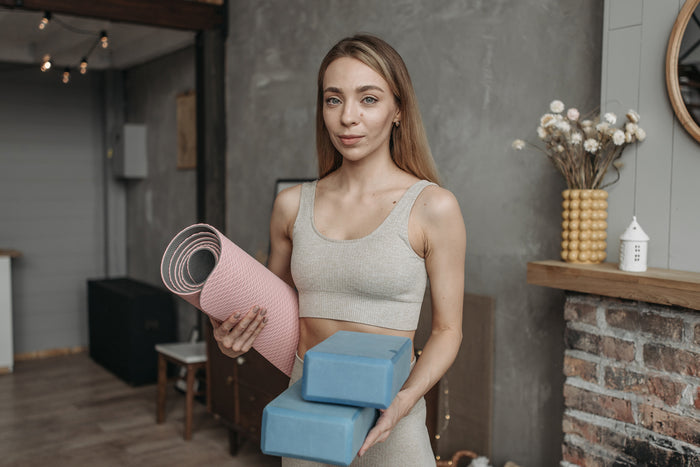
Flow Yoga: What it's all about and how you can get started
You may have noticed that breathing plays a special role in yoga. In fact, even in the oldest Hindu scriptures, the originators of yoga, breath is described as the seat of the soul.
There are numerous exercises that focus exclusively on breathing, based on the idea that specific breathing techniques can elevate the mind to a higher level of consciousness. So why separate this important aspect of yoga from the physical exercises, you might ask?
This is precisely the question some of the oldest yogis asked themselves – even thousands of years ago (around the 5th to 2nd millennium BC). Some scholars eventually concluded that breathing and physically demanding asanas can be ideally combined into a training method. Moreover, this combination allows experienced yogis to reach a completely new level in yoga. Today, this idea is reflected in a trend: Vinyasa Flow Yoga.
In this article, we'll tell you what Flow Yoga is all about, where it originated, and how you can integrate it into your daily life. Because we, too, ask ourselves: Why not fully exploit the potential of a well-designed yoga practice?

What is Vinyasa Flow Yoga?
The term "flow" already gives it away: Flow or Vinyasa Yoga is about performing your favorite exercises with dynamism. This involves harmonizing your breath and movements, connecting them into flowing sequences.
There is no pause between the individual movements, the asanas. Instead, you perform the sequences of movements directly one after the other. You've probably already encountered the sun salutation. This is essentially what you'll be practicing on a larger scale in a yoga flow.
Since these dynamic sequences are quite demanding, they are best suited for more experienced yogis. The movements need to be precise so you can concentrate on your yoga flow. Precision is key to a harmonious and effective yoga flow.
What are the benefits of Flow Yoga?
If you are already experienced, you will quickly discover what makes Flow Yoga so special: It feels like meditation – even though you are moving. You can expect the deep relaxation of a classic meditation combined with the mobilization of your cardiovascular system through the asanas.
One could say that Vinyasa Flow Yoga combines the benefits of two worlds – movement and meditation – into a single flowing sequence. In this way, you can improve your concentration while relaxing your mind and body, and find your inner balance.
How does Flow Yoga differ from regular yoga?
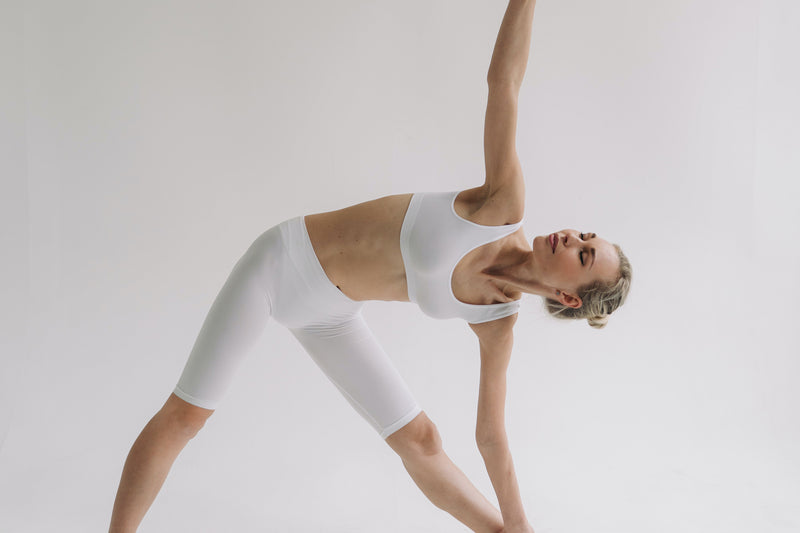
Inhale, exhale: Flow Yoga combines relaxed breathing with uninterrupted flows of movement.
Most yoga styles aim for fixed sequences of asanas. Pauses and breaks for targeted breathing exercises are quite common. Classical yoga is therefore considered rather static.
In contrast, Flow Yoga follows a kind of choreography of individual sequences that connect individual yoga movements to create an active flow of movement. This incorporates exercises from classical yoga that you are probably familiar with from traditional yoga practice.
What truly distinguishes Vinyasa Yoga, however, is the variation in its flowing movements, which not only makes your relaxation time diverse but also specifically connects the exercises with your breath. This creates the flow that gives this style its name.

Back to the roots: Where does this style of yoga originate?
The idea behind the Vinyasa style is not exactly new. Traditional yogi texts already strive for the complete union of body and mind through a coordinated flow of breath and movement.
If you would like to learn more, you can consult these sources:
- Bhagavad Gita : This work is considered one of the central scriptures of Hinduism. Here you will find the first definition of the term Yoga. Here you will learn about the role that Yoga plays on the path to wise action in harmony with the environment. This text is deeply philosophical and full of insights.
- The Yoga Sutras of Patanjali : This is one of the original texts on yoga. It reveals the essence of yoga, the path to harmony of body and mind, and to self-realization.
- Writings of the Yoga Sutras by T. Krishnamacharya : The scholar worked to unite breath and movement, instead of separating them as meditation and asanas. He attributed great spiritual significance to breath and therefore focused on it in yoga.
How does Flow Yoga work?
As mentioned earlier, Flow Yoga is based on a sequence of different movements. If you're practicing alone, feel free to start with the Sun Salutation. Gradually, you can add other asanas, for example from Hatha Yoga, to make the yoga flows more challenging and longer.
Essentially, it's a combination of posture sequences that synchronize your breathing and movements. Your breathing acts as a pacemaker or impulse generator, guiding your attention and enabling a fluid flow of movement.
Let your breath flow evenly and, as you already know from the Sun Salutation, consciously connect your inhalation and exhalation with an action. Focus on the here and now. The flow of movement consists of an alternation between movement, stillness, dynamic movement, and holding a position.

Here's how you can give the starting signal:
To plan your yoga flows, you can use this content-related sequence as a guide:
- Start with simple asanas. This will allow you to arrive and gain some distance from everyday life. Your breath will gradually become more fluid, and you can fully focus on your training.
- Now, move on to asanas, gradually increasing their intensity as the yoga flow progresses. Ideally, choose a focus for each session. For example, you could create a flow yoga session that concentrates on strengthening your pelvic floor.
Reading tip: In our article “ Strengthening the pelvic floor with yoga: little effort with great effect ”, you will learn which exercises you can use to strengthen your pelvic floor.
- A balancing exercise is a good way to finish. This will help you consciously return to everyday life.
Concentration is required: Here's what you need to know
To prepare for your individual yoga flows, you only need your usual basic equipment: a non-slip yoga mat and comfortable clothing that allows you to move freely – and then you're ready to go.
If you have little or no experience with Flow Yoga, a single session is ideal. This allows you to optimally adapt the sequences to your breathing rhythm and gradually establish your own flow. Once you've found your personal flow and mastered the movement flow, you can plan for two or three sessions.
Make sure you always align yourself with your breath: Draw your navel towards your spine with each exhale to intensify the effect of the sequences. Approach your yoga flows at your own pace. This is the only way to get the most benefit from your practice.
New perspectives for yoga training
Now you have a first glimpse into the topic of Flow Yoga. You can start planning your first yoga flows right away and see if you like the combination of relaxed breathing and challenging movement sequences.
You might also find that the classic version suits you better. That's perfectly fine. The most important thing is that you feel comfortable with your routine. In any case, you've delved deeper into the subject and greatly expanded your knowledge about the goals and effects of yoga.

Deine Reise geht weiter...
WEITER LESEN
ALLE LESEN Yoga
Yoga
Breathwork: How just a few minutes of conscious breathing a day can change your life
The hype surrounding breathwork Breathing exercises (or 'breathwork') are all the rage. Working with your own breath is so simple, yet it's one of the most effective tools for combating stress. When you talk to wellness experts about relaxation, you inevitably come across breathwork. For example, breathwork teacher and freediver...
Read Now
 Road
Road
Franzisca's path to resilience through cold water therapy and breathing exercises
Introduction In our latest episode of Road to Calm, we had the honor of interviewing Franzisca Gartenmann, co-founder of Keen Wellbeing. She shares her personal journey through burnout and trauma to a fulfilling life as an entrepreneur. 🌟 Franzisca talks about the benefits of cold water therapy, sauna, and breathing...
Read Now
 Road
Road
A journey through Katonah Yoga and personal growth
A journey through Katonah Yoga and personal growth In today's episode of the "Road to Calm Podcast," we speak with Aylin Karadayi, an inspiring Katonah Yoga teacher, former nutritionist, and experienced entrepreneur. She recently opened her latest project, the Yoga & Wellbeing Studio VVOO, in Zurich. Aylin shares her profound...
Read Now
 Yoga
Yoga
15-Minute Yoga Challenge
15-Minute Yoga Challenge – Find inner balance in one month Most of us try to be just as productive and active throughout the winter as we are in the summer. If we don't manage this, we quickly start berating ourselves, especially after the first few weeks of the new year,...
Read Now
#luviyofamily
We are social 💗
Follow us @luviyo and join our family!
Loved by Peter and many more...